
“Fibre Maxxing” and Crohn’s: Is More Fibre Always Better?
If you’ve been anywhere near TikTok or wellness social media lately, you’ve probably come across the term fibre maxxing.
It’s the idea of intentionally pushing fibre intake as high as possible - sometimes well above recommended levels - in the name of gut health, microbiome support, and even long-term disease prevention.
And while I’m always here for more awareness around fibre (because most people still don’t eat enough), when you live with Crohn’s disease, this trend deserves a more nuanced conversation.
Let’s break it down properly.
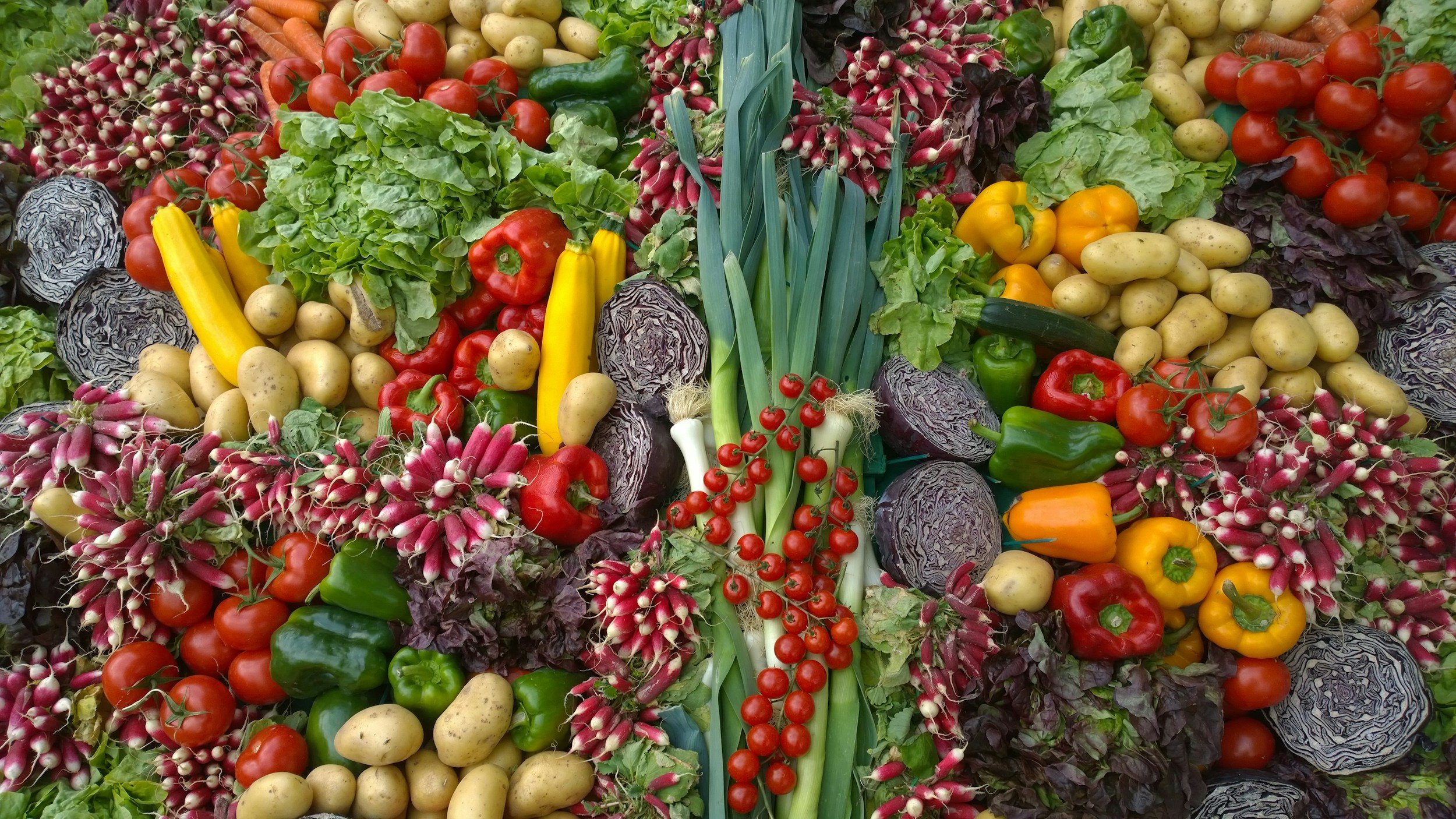
So… what actually is fibre maxxing?
The truth is, there isn’t a strict definition.
For some people, it simply means finally hitting the recommended fibre intake (around 25–30g per day in the UK).
For others, it means actively pushing well beyond that using high-fibre foods, powders, seeds, and supplements.
And this is where things can start to get a bit extreme.
Because in nutrition, more is not always better - especially when your gut is sensitive or already inflamed.
Why fibre is still important in Crohn’s
Let’s be really clear: fibre is not the enemy.
In fact, research suggests that a higher intake of plant-based foods and fibre is associated with:
A more diverse gut microbiome
Better production of short-chain fatty acids (which support gut lining health)
Potential protection against disease progression in some populations
But - and this is a big but - most of this research applies to stable disease or general population health, not during active flares or in people with stricturing disease.
This is where context matters. If you’ve been told conflicting advice about fibre and Crohn’s, or you’re stuck between fear and confusion, this is something we go through in depth inside my Crohn’s & Colitis 360° programme - where we personalise nutrition based on your disease stage, symptoms, and goals.
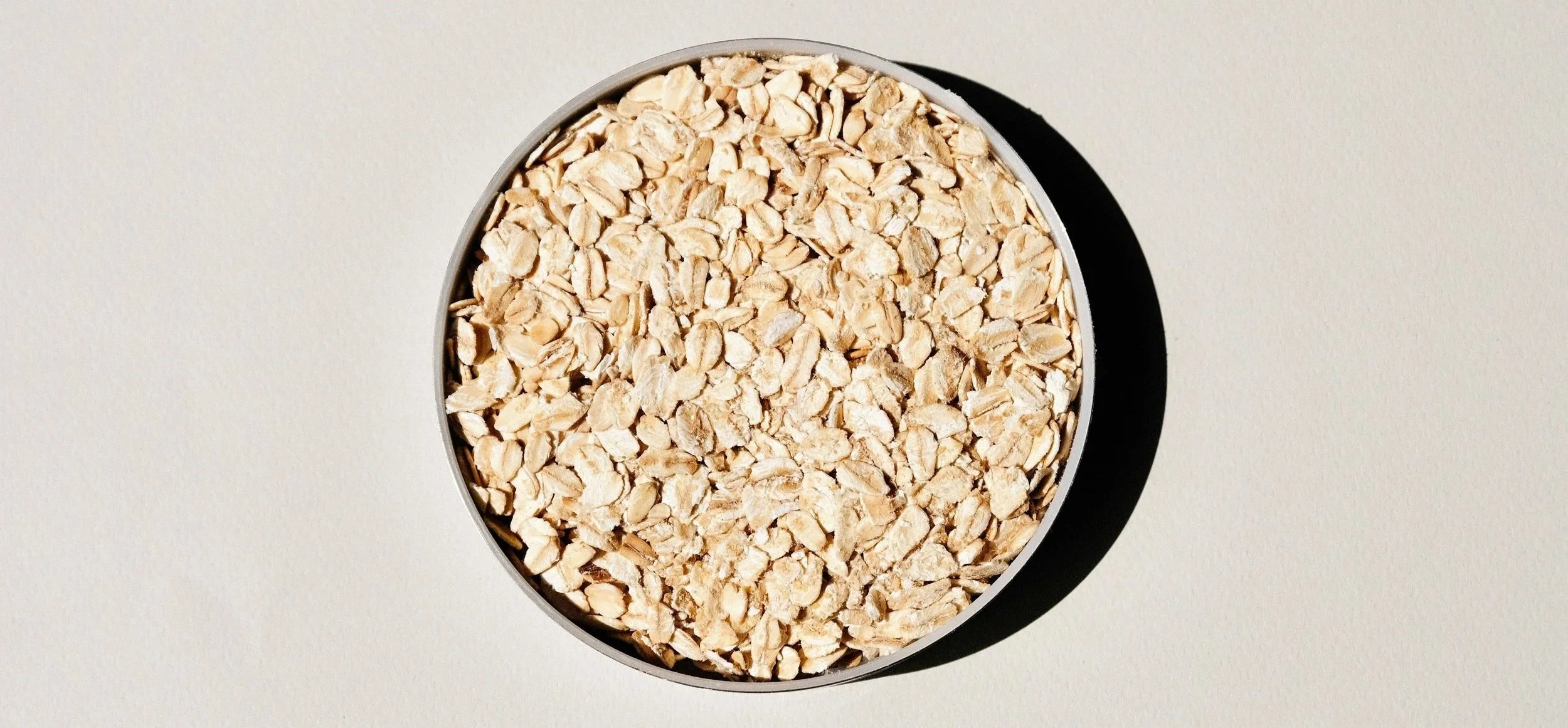
Not all fibre is created equal
One of the biggest oversights in the “fibre maxxing” trend is that it treats all fibre as the same.
In reality, we’re dealing with different types:
Soluble fibre
Found in foods like oats, chia seeds, bananas, cooked vegetables, and lentils.
Forms a gel when mixed with water
Helps regulate stool consistency
Often better tolerated in Crohn’s
Can be supportive during remission or recovery phases
Insoluble fibre
Found in whole grains, raw vegetables, skins, seeds, and bran.
Adds bulk and speeds up transit
Can be helpful for constipation in some people
But may aggravate symptoms in active Crohn’s or sensitive guts
So if someone jumps straight into high amounts of raw veg, seeds, and fibre powders without building tolerance, it’s no surprise symptoms can flare.
The biggest issue with fibre maxxing: speed
In clinic, one of the most common issues I see isn’t fibre itself - it’s how quickly it’s increased.
Your gut and your microbiome need time to adapt.
When fibre is increased too fast, especially in Crohn’s, people often experience:
Bloating
Gas
Cramping
Changes in bowel habits (constipation or urgency)
This doesn’t mean fibre is “bad”. It usually means the system hasn’t had time to adjust. Think of it like training a muscle: gradual exposure builds capacity. Sudden overload creates strain.
If you’ve tried increasing fibre and ended up feeling worse, it’s often not what you’re eating - but how you’re introducing it. If you want help personalising this, you can book a free call to chat things thorugh.

Hydration is often the missing piece
This part is non-negotiable.
When fibre intake goes up, fluid intake must also increase.
Here’s why:
Soluble fibre acts like a sponge. It absorbs water and helps form a softer, more formed stool
Without enough fluid, it can contribute to sluggish digestion and bloating
Insoluble fibre needs adequate hydration to move smoothly through the gut
Without enough water, fibre simply cannot do its job effectively.
This is one of the most common reasons people feel worse when they suddenly increase fibre for gut health.
So… should you fibre max if you have Crohn’s?
Short answer: not in the way social media suggests.
A more helpful approach looks like this:
✔ Build fibre gradually (think weeks, not days)
✔ Spread evenly throughout the day not just heavily in one meal
✔ Prioritise soluble fibre first
✔ Adjust texture (cooked, blended, peeled where needed)
✔ Increase hydration alongside any dietary change
✔ Focus on variety over extreme quantity
✔ Adapt fibre intake depending on disease phase (flare vs remission)
Crohn’s isn’t about hitting a single “perfect” number. It’s about flexibility, tolerance, and working with your gut, not against it.
As always in nutrition, the truth sits somewhere in the “boring” middle.
Don’t avoid fibre.
Don’t overdo fibre.
But instead: build it slowly, personalise it, and listen to your body.

Where to go from here
If you’re reading this and thinking:
“I don’t know what fibre is right for me anymore”
“I swing between fear of fibre and trying to do too much”
“My symptoms just feel unpredictable”
You don’t have to figure it out alone.
You can book a free consultation call with me to talk through your symptoms, diet, and goals and see what support would actually help.
And if you’re ready for a more structured, step-by-step approach to live confidently with IBD, my Crohn’s & Colitis 360° programme is designed exactly for this, helping you:
✨ Rebuild confidence with food
✨ Understand your triggers without restriction chaos
✨ Support your gut through different disease phases
✨ Move away from guesswork and into clarity